
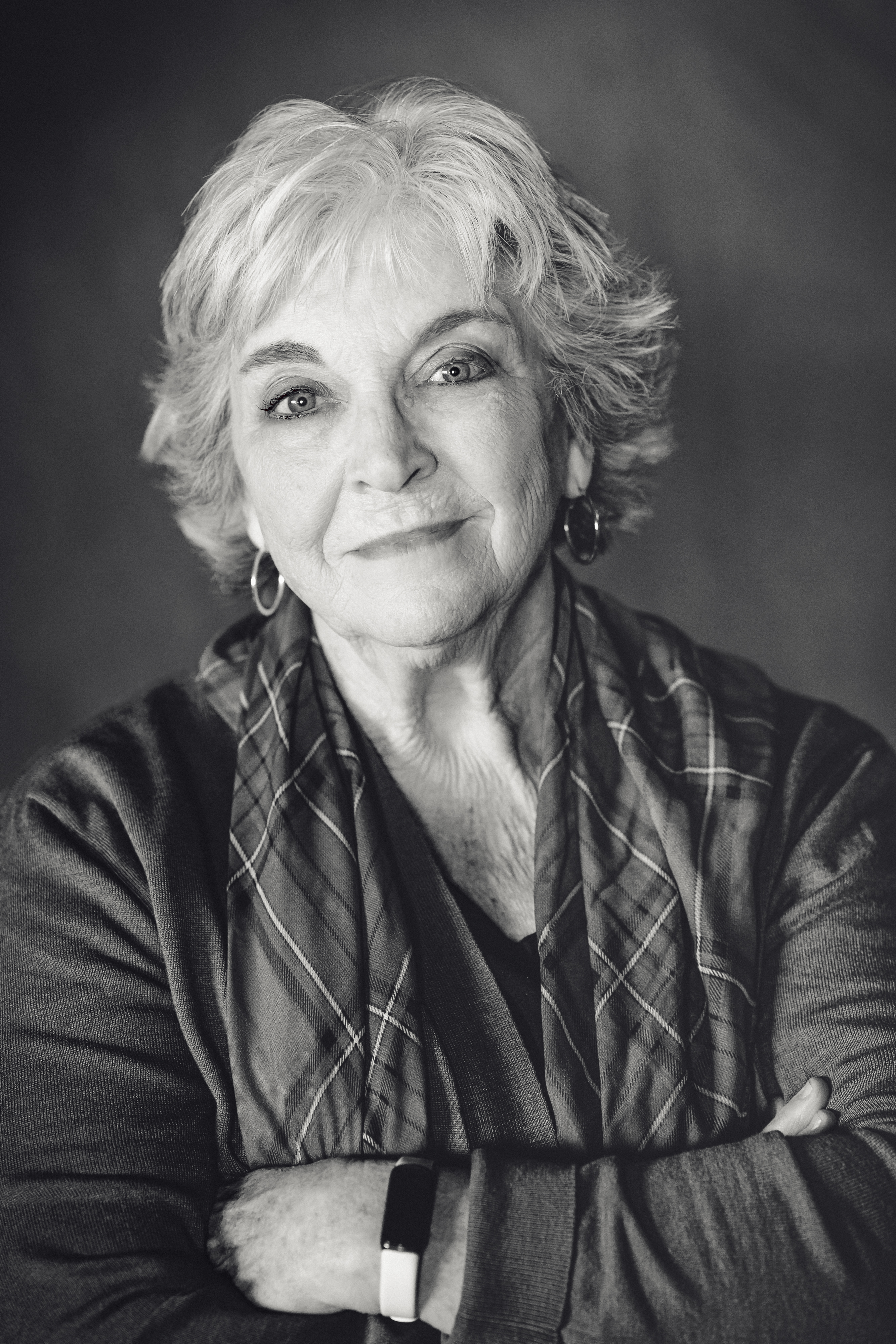
“You can’t predict with certainty what jobs the world will need in ten years— and you certainly can’t find one and freeze it in place. But the world will still need wisdom and integrity and creativity and care…..” – Russell D. Moore, American theologian and former president of the Ethics and Religious Liberty Commission, current Editor-at-Large of Christianity Today The man considered to be the “Godfather of Artificial Intelligence,” Geoffrey Hinton, has acknowledged that AI has the potential to create both heaven and hell on earth.
The 2024 Nobel Prize winner in physics knows peril looms on the horizon.
“…the thing that worries me most is still this long-term risk, which seems to me fairly inevitable, of AIs getting smarter than us, and we don’t know how we can then co-exist with them,” Hinton said in an interview with Canadian Broadcasting Corporation (CBC) last week. “We don’t know whether they will actually take over from us.”
What could AI hell look like?
Election manipulation, job replacement, data center saturation, creation of deadly viruses, and explicit AI-generated images posted to social media.
On the other side, artificial intelligence has helped accelerate drug discoveries, more accurate medical diagnoses, fraud detection measures, and accessibility for the disabled.
Most reasonable people agree that we need some sort of guardrail to monitor the use of something as powerful as artificial intelligence.
This “brave, new world” is changing so monumentally and so rapidly that even the creators are issuing warnings, a sobering thought.
But Moore’s words should give us hope. We must focus on what we can control. The constants that humans have always had at our fingertips are wisdom, integrity, creativity, concern, and curiosity.
Hinton concurs.
“Even though it’s [AI] going to be smarter than us, if we could make it care more about us than it did about itself, there’s some good things that would come out of that.”
Another positive sign might be the hiring philosophy of AI safety and research company Anthropic, whose co-founder Daniela Amodei has a degree in English literature, not computer science.
“We look for people who are great communicators, who have excellent EQ [emotional intelligence] and people skills, who are kind and compassionate and curious and want to help other people,” she says in an ABC interview.
The common thread in Moore, Hinton, and Amodei’s messages is that humans have the ability to do the right thing. We decide how tools, weapons, social media, and words are used. It is not AI we should fear but humans’ misuse of it.
In other words, there is nothing artificial about wisdom, integrity, creativity, compassion, and curiosity.
Mankind finds itself again in a fork-in-the-road moment, with a technological whirlwind pulling us in two directions. The road less travelled will be one of accountability and could make all the difference—if we take it.