
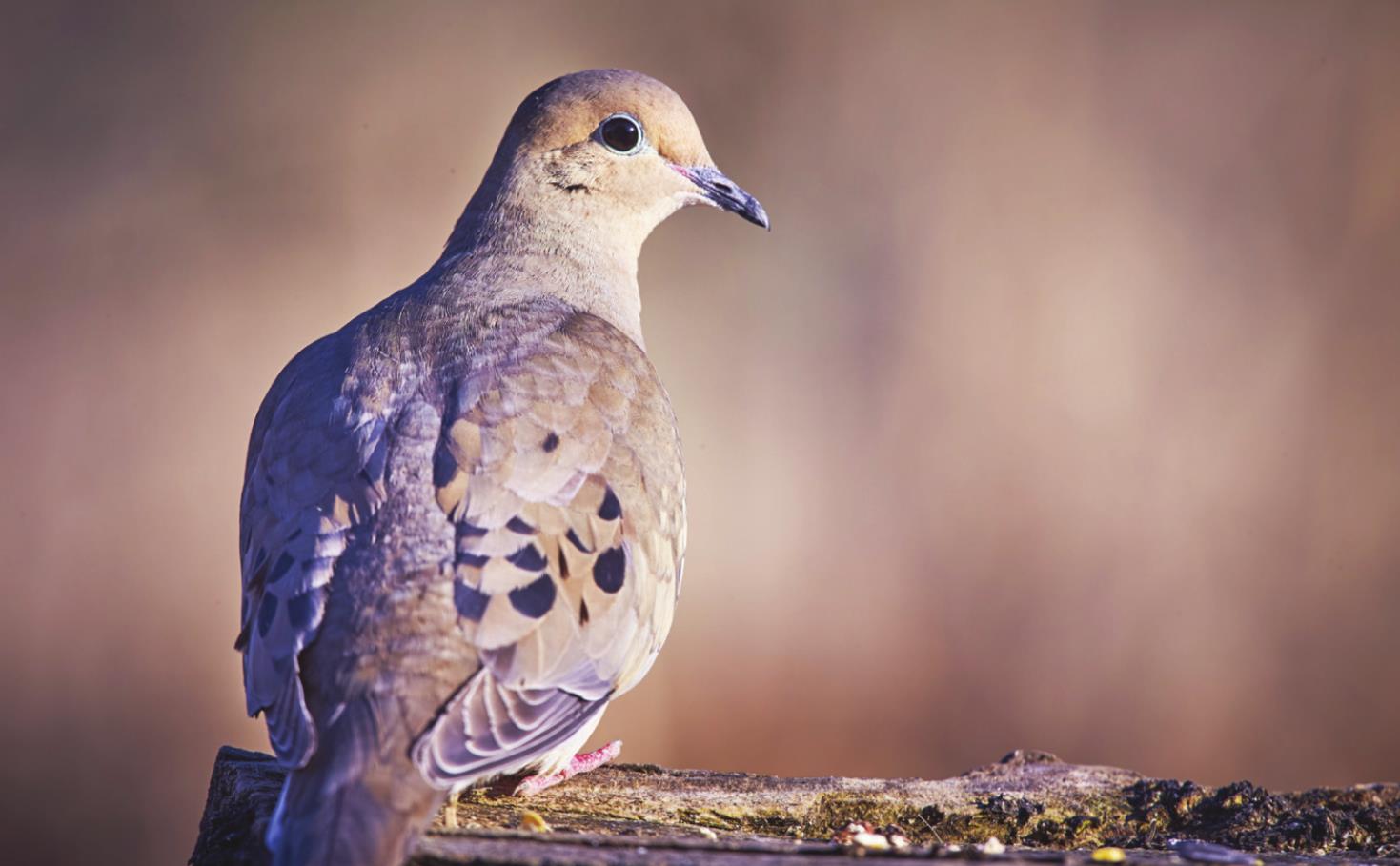
Texas hunters should expect a promising number of dove in flight as the 2020 hunting season kicks off, according to a Texas A&M AgriLife Extension Service expert.
John Tomacek, Ph.D., AgriLife Extension wildlife specialist, Thrall, said hunting appears to be an activity that is trending upward due to COVID-19. Dove season, which begins Sept. 1, will be most hunters’ first foray into the field this hunting season.
“At least among state residents, hunting license sales are up, and we’re expecting good participation this year,” he said. “People are looking for reasons to be outdoors because of the pandemic, and many are choosing to go hunting.”
2020 DOVE FORECAST
Owen Fitzsimmons, Texas Parks and Wildlife Department dove program leader, Austin, reported “ripe conditions for a fruitful season” in his 2020 dove season forecast.
Fitzsimmons said the 2020 dove surveys were cancelled due to the pandemic, but Texas has a breeding population of 25 million mourning doves and up to 15 million white-winged doves. Dove populations swell during hunting season as birds migrate into the state from other areas in the flyway.
Like previous seasons that kicked off during prolonged dry spells, hunting spots with food and water sources nearby should attract birds.
“Above-average rainfall statewide throughout the spring season has led to prime habitat conditions during the peak nesting months of May and June,” he said. “Biologists suggest that dry condition in the northern and western regions of the state may help concentrate birds around food and water sources during the season.”
Fitzsimmons said timing hunts around normal seasonal weather like cold fronts will be instrumental in hunter opportunities. Dove concentrate in bigger fall flights ahead of fronts.
“These groups will often feed heavily in one area for a few days before moving on,” he said. “Hunters should look to take advantage of any fronts during the season.”
IMPROVE DOVE HARVESTING OPPORTUNITIES
Tomacek said location will be a major factor in hunter success. Having small grains like sorghum or seed crops like sesame and sunflowers on or nearby hunting locations attract birds.
“This year may be different for many areas because of commodity prices,” he said. “If acres that were typically sorghum were planted with corn this year, that will likely affect the number of doves in the area.”
It’s also important to know the rules for manipulating seed and grain crops as a way to attract migrating dove, Tomacek said.
“For people who planted crops like sunflowers to attract dove, the birds aren’t going to perch on the plants and eat the seeds,” he said. “You have to shred it down and spill the seed. That is legal for migratory dove. If you’ve planted for dove, it is legal to manipulate the crop and hunt over it.”
Tomacek said he also recommends spending some time preparing your aim before the hunt.
“A little practice with some clay pigeons will help get your brain in shape for how your gun is patterning and how much you’ll need to lead the birds,” he said. “Shoot a consistent load, the same load and shell, whether it’s 6s or 7s. It’ll increase your chances of bagging birds.”
AgriLife Extension district reporters compiled the following summaries:
ROLLING PLAINS
Some areas received beneficial rains, which helped improve topsoil conditions. Cotton was in fair to good condition and was setting bolls. Wheat producers began plowing and fertilizing fields in preparation for planting. Pasture and rangelands remained dry. Cattle were being fed minerals and hay in areas where forages were in short supply.
SOUTH PLAINS
Conditions remained very dry. Sporadic rains fell across the district with most recording trace amounts. Cotton was still setting bolls. Pumpkins were doing well across the district. Some farmers were starting to harvest corn for silage. Sorghum was maturing well moving into the final stages. Peanuts were still progressing. Cattle were in good condition with supplemental feeding, but some livestock were being culled due to drought.
WEST CENTRAL
Some parts of the district received some light rain but not enough to help with soil moisture conditions. Sorghum and corn harvests were mostly complete. Dryland cotton harvest was done, and some irrigated fields were at cut out. Pastures were dry, and creeks and tanks were low. Some fall wheat planting was expected to begin soon. Many farmers and ranchers were having to feed hay and protein to livestock.